
Bio Diagnostics Team2026-11-26T12:30:52+00:00
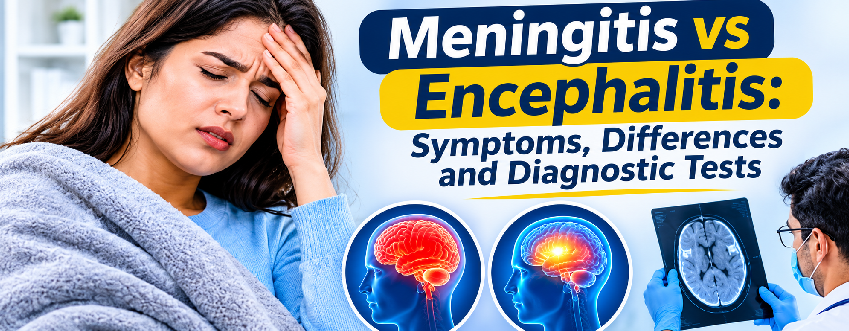
It is imperative to pay close attention to fever that comes with a stiff neck, headache, and strange behavior. This might be an indication of an infection of the brain or the coverings of the brain. Knowing the differences between meningitis vs encephalitis will enable patients to identify the early signs and get proper medical treatment. It is important to note that both illnesses have inflammation in the brain but on different parts.
For patients from Rohini, Pitampura, and Prashant Vihar, at Bio Diagnostics, inquire about the necessary investigations that are needed, such as special tests for cerebrospinal fluid. It is useful for patients to know the types of tests that they need so that we can discuss them with their treating doctor. Suffering from a bad headache, fever, or neck stiffness? Go for medical evaluation!
Understanding the Difference Between the Two Conditions
The key distinction between meningitis and encephalitis lies in the part of the nervous system that is inflamed. Meningitis is inflammation of the meninges, which are the covering layers of the brain and spinal cord. Encephalitis is inflammation of the brain tissues.
Sometimes, there can be both problems, a phenomenon that is known as meningoencephalitis. In such cases, a doctor might prescribe a meningoencephalitis CSF panel in Rohini.
Need specialized diagnostic testing? Find out what CSF testing is available and talk to your doctor about the correct test for you.
Meningitis vs Encephalitis: Key Symptoms and Differences
The symptoms can overlap; however, there are several aspects that can assist in telling the difference. The difference between meningitis and encephalitis is assessed through clinical examination and appropriate investigations, not symptoms alone.
Feature | Meningitis | Encephalitis |
Area affected | Protective membranes around the brain and spinal cord | Brain tissue |
Common symptoms | Fever, severe headache, neck stiffness, light sensitivity | Fever, confusion, altered behavior, seizures |
Possible signs | Nausea, vomiting, and sensitivity to light | Memory problems, difficulty speaking, or reduced alertness |
Potential causes | Bacterial, viral, fungal, and other infections | Viral infections, other infections, and certain immune-related conditions |
Investigations | CSF analysis, cultures, and molecular tests | CSF analysis, PCR tests, brain imaging, and other tests
|
Meningitis symptoms can develop very quickly in some cases of bacterial infections. Brain infection symptoms related to encephalitis include confusion, strange behavior, seizures, or changes in consciousness. Nevertheless, symptoms differ, and neither disease can be diagnosed on the basis of symptoms only.
Also Read: Fever That Won’t Go Away? Understanding the Tests That Help Find the Cause
Diagnostic Tests for Accurate Detection of Brain Infections in Rohini
A proper diagnosis is necessary since each cause demands a different treatment approach. Doctors carry out tests based on patients’ presentations.
Common diagnostic investigations may include:
- Analysis of CSF: The cerebrospinal fluid is tested for the presence of white blood cells, proteins, glucose, and other factors that suggest infections or inflammation.
- CSF infection panel: Some of these panels will use molecular techniques to detect certain infectious pathogens within cerebrospinal fluid.
- PCR test for meningitis: PCR testing can detect genetic material from selected bacteria or viruses, helping identify certain causes of infection.
- Blood tests and cultures: These may help identify infection and assess the patient’s overall condition.
- Brain imaging: CT or MRI may be recommended to assess brain abnormalities or support decisions about further investigations.
Bio Diagnostics allows its patients to ask about the specialized investigation offered and the samples needed for such a test. Test selection and test result interpretation should be done by the attending physician.
Looking for diagnostic support? Contact the laboratory to inquire about CSF testing availability, sample collection requirements, and report timelines.
Early Warning Signs That Need Immediate Medical Attention
The early signs of brain infection are significant, particularly where the symptoms are rapidly escalating. If any individual suffers from:
- High fever with a severe or persistent headache
- Neck stiffness or marked sensitivity to light
- Confusion, unusual behavior, or difficulty staying awake
- Seizures or sudden changes in consciousness
- Repeated vomiting with worsening neurological symptoms
These symptoms should not be handled by self-medication or waiting until your next test visit. Meningitis or encephalitis should be addressed immediately.
Certain viral diseases can begin with symptoms such as fever, headache, and muscular pains. In the event that a physician believes a patient has influenza, then the best flu test in Pitampura is pertinent in finding out if the disease in question is influenza, but a flu test cannot rule out meningitis and encephalitis.
Why Choosing the Right Diagnostic Support Matters: Bio Diagnostics’ Approach to Better Healthcare
An appropriate investigation is based on the cause suspected and the patient’s clinical status. A comparison between meningitis vs encephalitis must be done by a professional doctor, who can recommend CSF tests, PCR tests, blood tests, or imaging tests.
Patients who reside at Rohini, Pitampura, and Prashant Vihar may use Bio Diagnostics to have access to diagnostic facilities that they may inquire about, as suggested by the doctors. The laboratory staff can assist in this regard with test availability and the sample collection process.
In the context of meningitis vs encephalitis, it is crucial to note that the importance of medical evaluation takes precedence over making the choice of the test yourself. At Bio Diagnostics, we recommend that you consult your doctor and get treatment immediately if you notice neurological symptoms.
Learn more about the CSF tests offered, the availability of tests, and how to take samples. Diagnosis and treatment are best achieved through consulting your doctor and undergoing laboratory tests.


Leave a Reply