
MALARIA ANTIGEN DETECTION
Special Instruction : No special preparation required.
Parameters covered : 2
Report Frequency : Daily
MALARIA ANTIGEN DETECTION – Overview
What is MALARIA ANTIGEN DETECTION ?
Malaria Antigen Detection is a laboratory test used to detect specific proteins (antigens) produced by malaria parasites in a blood sample. It can help identify a malaria infection, including infections caused by Plasmodium falciparum and other malaria parasites. The test may be recommended when a person has symptoms such as fever, chills, sweating, headache, body aches, or weakness. Results can help healthcare professionals support the diagnosis and decide on appropriate treatment.
Doctor Information
Pre-test Information
No special preparation required
Report Delivery
Sample Daily by 12 noon; Report Same day
Category
Fever
Stability Room
6 hrs
Stability Refrigerated
1 week
Stability Frozen
1 week
Method
ICT
Specimen
3 mL (2 mL min.) Whole blood from 1 Lavender Top (EDTA) tube. Ship refrigerated. DO NOT FREEZE.
Usage
Malaria is a mosquito borne parasitic infection spread by female Anopheles mosquito infected by Plasmodium / malarial parasite. Malaria is transmitted by the bite of an infected mosquito; if you receive infected blood transfusion from a malaria patient; from an infected mother to the baby during pregnancy. It is prevalent in subtropical and tropical parts of the world. This test is not to be used in lieu of conventional smear diagnosis. Occasionally, test may show negativity even in presence of smear positivity.
Malaria Test in Pitampura and Rohini for Timely Diagnosis
Malaria is an infection transmitted by mosquitoes and can occur in any individual regardless of age. The disease can appear with symptoms that might be similar to the symptoms of other diseases, like fever, chills, headaches, sweating, and tiredness. If the symptoms continue, one should immediately visit a doctor.
A Malaria test in Pitampura will enable one to find signs of malaria and gather valuable data for further treatment. With the help of proper lab tests of the blood samples, BIO Diagnostics Lab determines the cause of infection according to the doctor’s instructions.
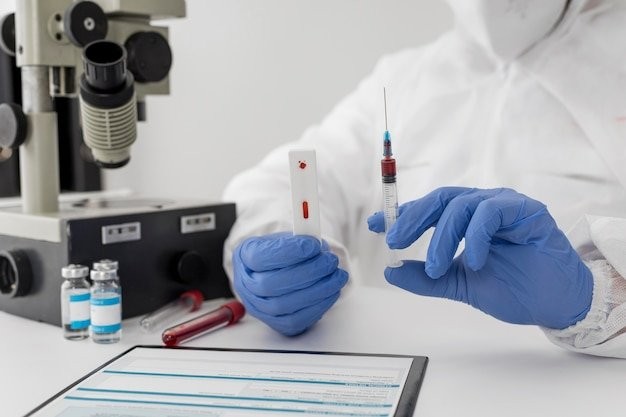
When Should You Consider a Malaria Test?
Symptoms of malaria may vary from one patient to another. Patients suffering from malaria may experience mild symptoms, or some patients might exhibit prominent symptoms. Amongst all the symptoms, fever is one of the most common symptoms, along with chills and sweats.
Other symptoms may be as follows:
- Headaches and body aches
- Weakness and fatigue
- Nausea and vomiting
- Recurring fever
- Discomfort with infection
Since all these symptoms can be attributed to other diseases as well, symptoms alone may not prove to be sufficient in determining malaria. A blood test for malaria will help provide lab confirmation.
In case you suffer from constant fever or exposure to mosquitoes in areas endemic to malaria, then a Malaria test in Pitampura is advised by the doctor.
Likewise, a Malaria test in Rohini is suggested in case of any doubts about malaria infection.
What does Malaria testing detect?
The illness referred to as Malaria is brought about by Plasmodium. Several types of Plasmodium cause malaria, but these have been identified, namely P. falciparum and P. vivax.
The term malaria parasite test is used to refer to a blood test done to ascertain the presence of parasites in blood. The malaria antigen test searches for specific antigens that are present in malaria infection. The microscopic test, on the other hand, uses the blood sample to detect any kind of parasites in the blood. A rapid malaria test may also be used in suitable situations to detect specific malaria markers.
Selection of the appropriate test depends on the clinical scenario and laboratory process. Your health care provider will suggest the proper test to you depending on your signs and symptoms.
How is Malaria diagnosed?
Malaria can be diagnosed using a lab test supported by signs and symptoms. However, fever cannot help in diagnosing malaria since fever is caused by several other bacteria and viruses.
For testing, a malaria blood sample is collected using standard laboratory procedures. The sample may then be assessed through an appropriate testing method to identify parasites or malaria-related markers.
Laboratory evaluation may involve:
- Microscopy: Examination of the blood sample for malaria parasites.
- Antigen testing: Detection of specific substances associated with malaria parasites.
- Rapid diagnostic testing: A quicker approach for identifying certain malaria markers when appropriate.
A Malaria test in Rohini can provide useful laboratory information when malaria is suspected. For people in and around Pitampura, a Malaria test in Pitampura can similarly support timely evaluation when symptoms suggest a possible infection.
Why is timely Malaria testing important?
It is important that you do not disregard the possibility of having malaria in case of continuing fever or if the symptoms have become apparent. There are types of malaria that can worsen and even lead to complications if left unchecked and untreated.
Testing would be particularly helpful if the symptoms are hard to tell from those of other infections. For instance, the flu can also be accompanied by the following symptoms: fever, headache, body pains, and weakness. If you are experiencing these symptoms, then it is possible that your physician will conduct a Flu test in Pitampura.
Similarly, a Fever profile in Pitampura may be considered when the cause of persistent fever is unclear. Additional testing can help healthcare professionals evaluate different possible causes instead of relying on symptoms alone.
Malaria Testing at BIO Diagnostic Lab
BIO Diagnostics Lab offers laboratory testing to support medical evaluation and help individuals obtain relevant diagnostic information. If malaria is suspected, the recommended test can be performed using a suitable blood sample and appropriate laboratory technique.
The objective of malaria testing is to detect evidence of infection and provide reliable information that can be considered alongside the patient’s clinical condition. A Malaria test in Pitampura could be a good choice for those who need their malaria diagnosis done locally.
When looking for a malaria blood test near me, one should opt for an institute that maintains the proper protocol for specimen collection, preparation, and reporting. A test report should always be reviewed in the context of symptoms and medical advice.
Malaria or Another Infection? Testing Can Help
Body fever and pain are not exclusive to malaria. Diseases like flu and dengue can also exhibit the same signs. Therefore, the importance of conducting tests should not be underestimated in cases where the cause of illness is unknown.
In the event of suspicion of influenza, an H1N1 Influenza Test in Pitampura might be suggested by a medical expert. Depending on symptoms, history of exposure, among other factors, the right test will depend.
Various tests will be considered depending on symptoms. For example, a Hypersensitivity Pneumonitis Antibody Test in Pitampura may be advised in specific situations involving suspected immune responses associated with certain environmental exposures.
These tests serve different diagnostic purposes and should be selected according to medical advice.
Get Reliable Malaria Testing in Pitampura and Rohini
The fever is not to be ignored, especially when there are other symptoms present, such as shaking, perspiration, headaches, body pains, weakness, feeling sick, and vomiting. The appropriate tests to be carried out will establish whether the fever is caused by malaria and other diseases mentioned above.
If your physician suggests a test, or if you experience some symptoms that need assessment, then Malaria test in Rohini could be of great help. For residents and patients in the surrounding area, a Malaria test in Pitampura offers another convenient option for laboratory evaluation at BIO Diagnostics Lab.
Get tested at BIO Diagnostics Lab and take the next step toward understanding the cause of persistent fever. Consult your healthcare professional to determine which malaria test is appropriate for your symptoms and condition.

